NetEase Dongqiudi isn't just another sports app. It's the digital equivalent of a post-match pub debate, a place where millions of Chinese football fans gather to argue, celebrate, and dissect every pass. Launched in 2013 by NetEase, the app quickly carved out a niche that generic sports portals couldn't fill. Its early bet on real-time match data and community-driven commentary paid off. By 2016。Dongqiudi had surpassed 10 million monthly active users, and its growth hasn't plateaued since. What sets it apart is a stubborn focus on the fan's voice—not just the pundit's.The app's live match center is a case study in engagement design. During a Champions League clash between Real Madrid and Bayern Munich, you'll see user-generated tactical notes scrolling alongside official stats. It's messy, sometimes heated。and utterly addictive. NetEase Dongqiudi doesn't shy away from that chaos;
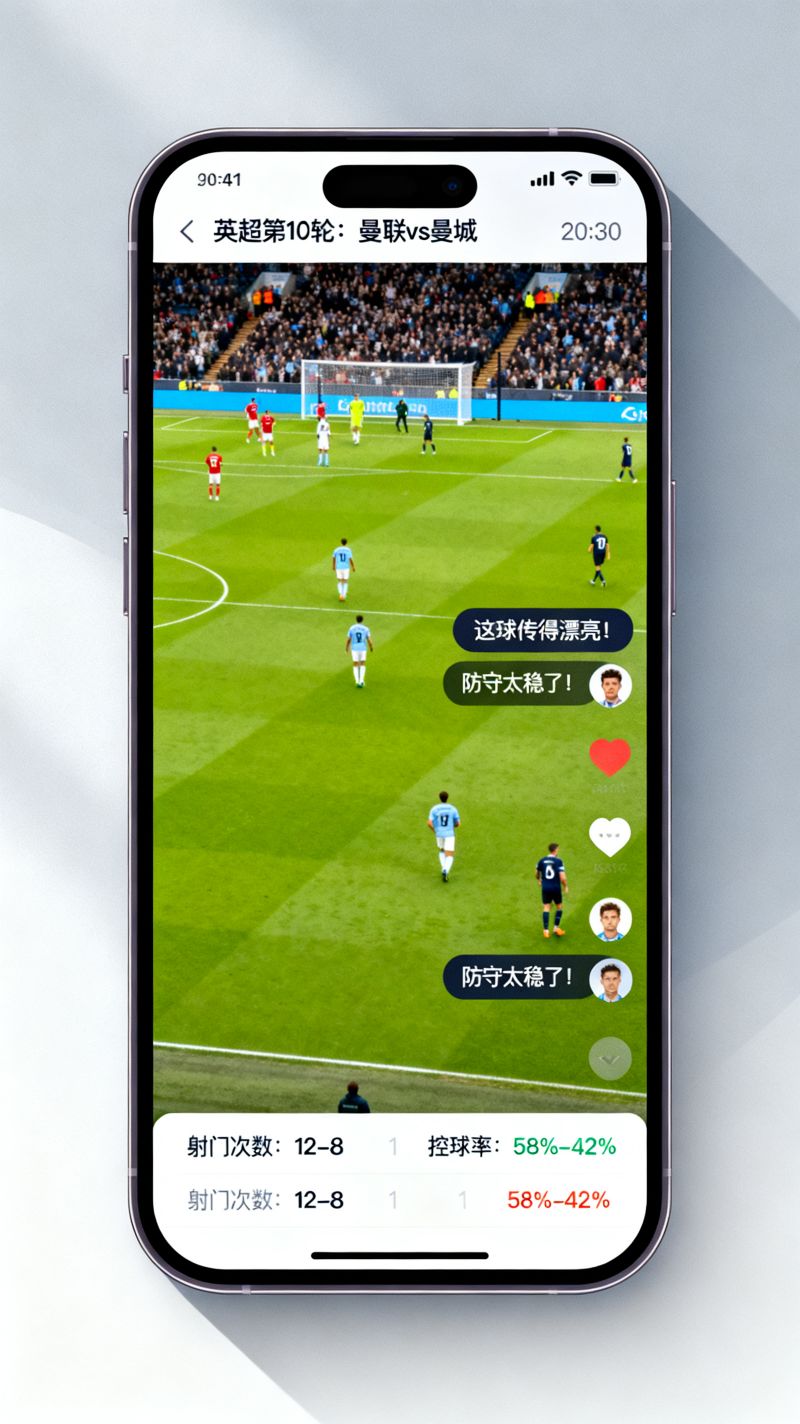
it curates it. A feature called 'Tactics Board' lets users sketch formations and share them instantly. I've seen amateur coaches use it to explain a high press to friends. That kind of tool keeps people coming back, not just for scores but for a sense of participation. The community isn't an afterthought—it's the product.Monetization, though。is where NetEase Dongqiudi faces a real test. In-app advertising and premium subscriptions (for ad-free browsing and exclusive analysis) generate revenue, but the app's ethos of open fan discussion creates tension. Too many ads and the community feels commercialized;too few and the business model wobbles. NetEase has tried to balance this with e-commerce tie-ins—official jerseys, match tickets—but adoption remains modest. Compare that to rivals like Hupu, which leans heavier on forum culture. Dongqiudi's edge is its polished UX and data depth, but that polish costs money. A 2022 user survey I came across showed that 68% of respondents would pay for a tier that included offline meetups. That's a signal NetEase hasn't fully exploited.Content strategy reveals another layer. NetEase Dongqiudi doesn't just aggregate news;it invests in original storytelling. Long-form features on grassroots football, interviews with lower-league players。and data-driven pieces on transfer trends appear regularly. One standout series, 'Beyond the Pitch,' profiled amateur clubs in third-tier cities. It didn't go viral, but it built loyalty among hardcore fans. That's a deliberate choice: depth over breadth. The app's editorial team is small—around 30 full-timers—but they punch above their weight by leveraging community contributors. A user-generated match report can appear on the front page if it's good enough. That meritocracy feels rare in Chinese sports media.Looking ahead, NetEase Dongqiudi's challenge is scaling intimacy. As user numbers climb past 30 million, keeping the community feel intact becomes harder. The app has introduced localized fan zones and moderated debate threads, but cliques form. My observation: the most vibrant discussions still happen in smaller, team-specific groups rather than the main feed. NetEase could lean into that by spinning off micro-communities. Also, video content is a gap—Dongqiudi's short clips are functional but lack the personality of its text forums. A weekly fan podcast or a live call-in show might bridge that. The foundation is solid。
but the next play needs to be bold. For a platform built on football chatter, staying quiet on innovation would be the biggest foul.