hanghai SIPG Kawasaki Frontale matches rarely felt like neutral tactical puzzles. They exposed two different football economies: Shanghai’s talent-heavy, transition-focused model against Kawasaki’s patient positional play. The contrast matters because it survives changes in club name, roster and competition format. Shanghai SIPG became Shanghai Port FC in 2021, yet the underlying question in these fixtures remains: can a side built around expensive individual quality impose its rhythm on a collective that passes with more automatic coordination?Watching the 2019 AFC Champions League group-stage meetings。the answer depended less on possession than on where turnovers happened. Shanghai looked comfortable ceding the ball in the middle third, then attacking the space behind Kawasaki’s advanced full-backs. Kawasaki, meanwhile, kept recycling passes to drag Shanghai’s midfield line out of shape. That is not a clash of styles in the abstract. It is a specific problem of spacing, timing and risk. The Shanghai SIPG Kawasaki Frontale fixture also had a psychological edge: Kawasaki expected to control the ball, while Shanghai expected to control the decisive moments.
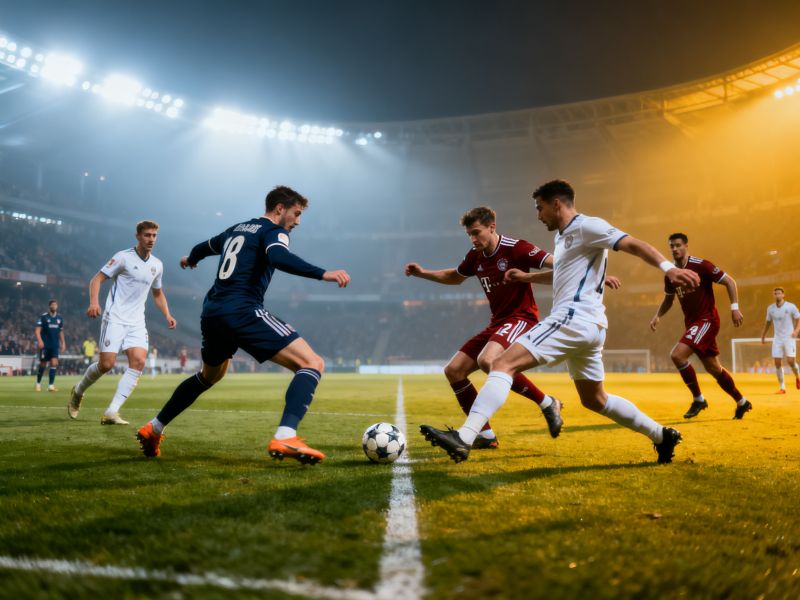
Kawasaki Frontale’s attacking patterns are unusually rehearsed. The wide players hold width until the ball reaches the half-space;the full-backs underlap;the No. 8 arrives late at the edge of the box. Against most J1 League opponents, that carousel creates repeated cut-back chances. Against Shanghai SIPG Kawasaki Frontale games, the final pass often had to be delayed by half a second. Shanghai’s defensive midfielders, especially when protecting a narrow lead, defended the passing lane rather than the man. That small choice disrupted Kawasaki’s rhythm without requiring a low block. You could see the frustration in the number of sideways passes near the box — plenty of control。few clean shooting angles. My own view: Kawasaki were the more coherent team between the boxes, but Shanghai had the more credible route to goal from transitions and set pieces. In knockout football, that asymmetry is not a flaw. It is a weapon.The economics behind Shanghai SIPG Kawasaki Frontale are just as revealing. Shanghai’s squad building leaned on marquee imports and high wages, then shifted toward Brazilian and Chinese internationals who could carry transitions. Kawasaki built continuity: academy graduates, modest signings, and a coaching staff that stayed long enough to make automatic movements stick. That difference shapes match tempo. Shanghai can win a game in five minutes through Hulk’s left foot, Oscar’s through ball, or a corner routine. Kawasaki need more repetitions, more territory。more sequences. When those sequences break, they can look exposed. When they flow, they make expensive sides chase shadows. The 2019 fixtures captured that trade-off neatly: Shanghai’s best spells arrived when Kawasaki’s possession became predictable;
Kawasaki’s best spells arrived when Shanghai’s midfield jumped out of its shape too early. Neither side dominated for ninety minutes. The game was decided in the awkward transitions between control and chaos.Set pieces deserve more attention than they usually get in this matchup. Shanghai SIPG Kawasaki Frontale games often turned on corners and wide free kicks, not because Kawasaki were weak in the air, but because Shanghai’s delivery was so precise. A single near-post flick could change the entire defensive calculation. Kawasaki’s response was typically zonal marking with one or two blockers, which works when the goalkeeper commands the six-yard box. Against Shanghai’s taller forwards。it sometimes created a scramble. On the other side, Kawasaki’s short-corner variations were designed to pull a defender out of position and open the top of the box for a late runner. These are small details, but they fit the broader pattern: Shanghai wanted decisive moments;Kawasaki wanted accumulated pressure. Supporters remember goals. Coaches remember the five minutes before them.
There is a temptation to frame Shanghai SIPG Kawasaki Frontale as a simple story of money versus method. That is too tidy. Shanghai’s recruitment was not random;the best versions of the team used imports as structural anchors, not just scorers. Kawasaki’s method was not fragile;it was built to survive sales and coaching changes. The real lesson sits in how each side handled the other’s preferred rhythm. Shanghai needed to make the game short and sharp. Kawasaki needed to make it long and coordinated. When Shanghai pressed with discipline, Kawasaki’s buildup lost its angles. When Kawasaki circulated quickly, Shanghai’s midfielders arrived late and fouled. Any future Shanghai SIPG Kawasaki Frontale meeting — even under the Shanghai Port name — would likely follow the same fault lines. The fixture’s value is diagnostic: can your team recognize when to break the pattern?That question travels beyond the AFC Champions League. It applies to any match where one side owns the ball and the other owns the moment.